
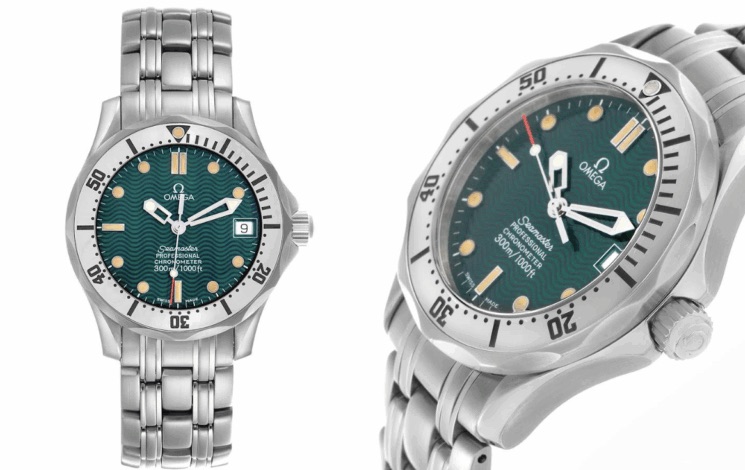
Walk through any British high street, sit in a London café, or watch the quiet rituals of the morning commute,
and you’ll notice something subtle yet unmistakable: people are choosing watches that reflect who they are,
not what they are expected to wear. The conversation around timepieces has become more intimate —
more personal and far more expressive than in any previous era.
As collectors shift toward individuality, the world of refined, design-forward timepieces — including the evolving landscape of replica watches — has found a meaningful place in the UK.
These pieces allow wearers to honour the aesthetics they admire while staying grounded in practicality and comfort.
This is not a trend driven by price; it is a shift driven by taste.

The Gentle Drift Toward Personal Expression
The modern British watch enthusiast no longer asks, “What should I buy?”
Instead, the question has become far more introspective: “What feels right on my wrist?”
This change has opened doors to a broader spectrum of designs, encouraging people to explore silhouettes, finishes, dials,
and case profiles that speak to their personality. It has also created room for alternative interpretations of luxury —
pieces that respect lineage and design craft without insisting on exclusivity.
It’s a more democratic, more thoughtful form of collecting.
A Different Way of Thinking About Design
Understanding Aesthetic Memory
We often choose watches not because they are new, but because they remind us of something familiar.
A diver-style case may evoke summertime holidays; a clean three-hand dial might recall a relative’s old timepiece;
a bold chronograph layout could trigger memories of motorsport posters on childhood bedroom walls.
This is aesthetic memory — a powerful, deeply human influence that guides taste far more than brand logos ever could.
Why Familiar Shapes Still Feel Fresh
The silhouettes we return to — Oyster-style, cushion cases, classic pilots, integrated bracelets —
endure because they work. They are proportionally sound, visually balanced, and reassuring on the wrist.
Modern interpretations, including those within the replica space, focus on enhancing these strengths
through better finishing, more precise lines, and comfortable wearing experience.
In this sense, familiarity is not repetition; it is refinement.
What Today’s Collectors Actually Look For
Spend time with UK-based enthusiasts and you’ll quickly discover that their criteria for a great watch
have become refreshingly grounded. They often look for qualities that reflect daily life rather than
idealised marketing narratives.
A Watch That Simply Feels Right
The way a watch sits on the wrist — the arch of the lugs, the weight balance,
the articulation of the bracelet — matters more than ever.
A beautifully designed watch that is uncomfortable has no place in the modern collection.
Design That Doesn’t Beg for Attention
The British approach to elegance has always leaned toward understatement.
A well-proportioned dial, tasteful finishing, and a mature colour palette often win out
over flashy embellishments. Watches that blend in quietly tend to be worn more often —
and therefore appreciated more deeply.
Objects With Emotional Warmth
Collectors increasingly want watches that make them feel something.
It could be nostalgia, confidence, calm, or simply the joy of interacting with well-made objects.
Emotion has become a core part of horological decision-making.
How Replica Culture Found Its Way Into the Mainstream
Not long ago, the notion of exploring replica designs carried a stigma that overshadowed any rational conversation.
But as perspectives have matured, UK collectors have begun to see luxury-inspired timepieces in a different light.
What resonates with these collectors is not the idea of comparison,
but the philosophy that craftsmanship and good design deserve to be enjoyed freely —
without the weight of financial caution or exclusivity.
As a result, refined replica pieces now serve meaningful roles in real collections:
- a daily companion for work and travel,
- a design test-drive before purchasing an original,
- a style extension offering colours or finishes not found elsewhere,
- or simply a watch chosen for its honesty and visual charm.
This shift shows maturity, not compromise.
The British Preference for Subtle Luxury
Quiet Sophistication
British design sensibility has always leaned toward subtlety —
tailored coats, muted tones, balanced proportions, and quiet confidence.
This aesthetic naturally extends to watches.
A timepiece that whispers rather than shouts suits the culture here.
It feels authentic in boardrooms, universities, cafés, and train stations alike.
The Joy of Under-the-Radar Craft
Many collectors find satisfaction not in being noticed,
but in knowing the object on their wrist holds thoughtful details —
polished chamfers, brushed surfaces, crisp markers, and harmonious symmetry.
These details reward the wearer, not the audience.
A Culture That Values Wearability Above All
Something remarkable has happened in the UK collecting community:
practicality has become fashionable.
Collectors now prioritise watches they can wear without caution.
This includes pieces they can take on holiday, wear to the office,
leave on the bedside table, or simply put on without thought each morning.
This desire for “effortless usability” has elevated the appeal of designs
that feel natural, trustworthy, and comfortable —
areas where modern replica pieces have made significant strides.
Why This Shift Matters
The maturation of taste in the UK is reshaping the entire watch landscape.
Collectors are rediscovering the joy of wearing what feels right to them —
not what marketing insists they should want.
It has created a healthier, more expressive culture built on:
- craft over prestige,
- comfort over exclusivity,
- emotion over status,
- and individuality over expectation.
This evolution has given replica culture a place not as an imitation of luxury,
but as an extension of it — a way to enjoy iconic design with freedom and sincerity.
Closing Thoughts
The UK’s new watch culture is richer, more personal, and more thoughtful than ever before.
Collectors are choosing pieces that complement their lives, reflect their character,
and offer honest value through design and craftsmanship.
In this landscape, refined replica pieces aren’t replacements —
they are expressions of taste, objects of joy,
and companions in the ongoing story of everyday life.
The shift is clear:
the watch world in the UK is no longer defined by exclusivity,
but by authenticity —
and that makes the culture stronger, more human, and far more inspiring.